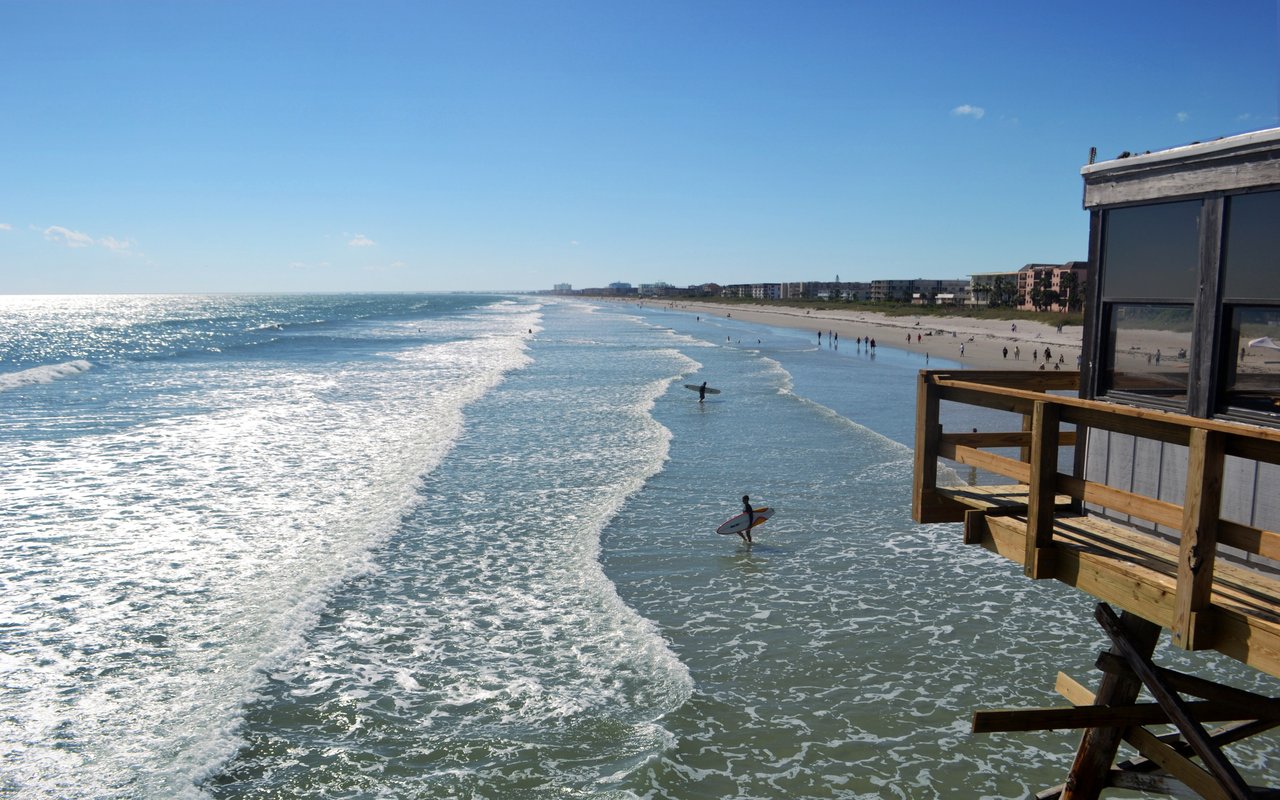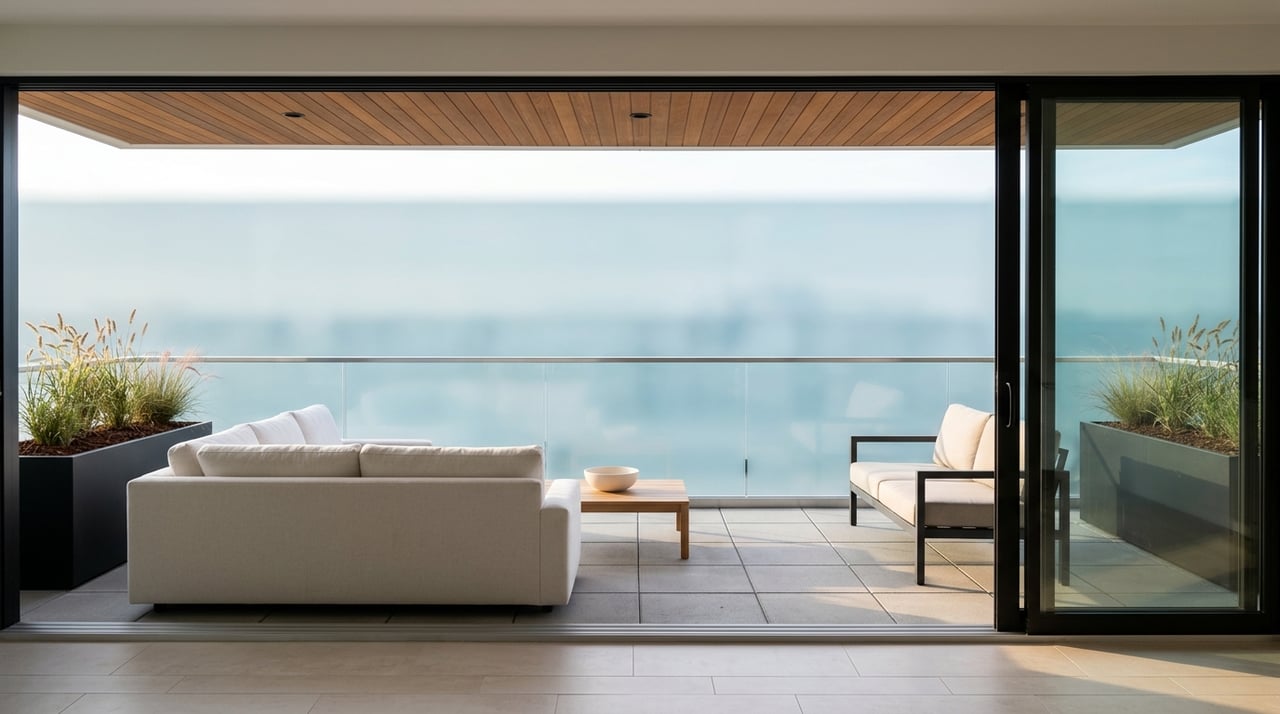
Thinking about a beach condo you can enjoy now and return to year after year? Buying an Indian Harbour Beach condo as a second home can offer the easy coastal lifestyle many buyers want, but it also comes with details you need to understand before you close. If you want a place that feels relaxing, practical, and well-chosen, this guide will help you focus on the right questions and avoid expensive surprises. Let’s dive in.
Why Indian Harbour Beach Appeals
Indian Harbour Beach offers a compact barrier-island setting on Florida’s Space Coast, between the Atlantic Ocean and the Indian River Lagoon. The city describes itself as roughly two square miles with more than 8,446 residents, which gives it a smaller-scale feel than some larger coastal markets.
For a second-home buyer, that setting often means convenient beach access and a lifestyle built around outdoor time. Public amenities include beachfront parks, Gleason Park, and a year-round heated competition-size pool, all of which support the low-maintenance coastal experience many seasonal owners are looking for.
That same location also shapes the kind of condo due diligence you need to do. Because Indian Harbour Beach is on a barrier island, salt air, storm exposure, and long-term building upkeep should be part of your buying conversation from the start.
Start With the Building
When you buy a second-home condo, the unit itself is only part of the purchase. The condition of the building, the association’s planning, and the scope of shared maintenance can have a major impact on your future costs.
Florida law makes the condominium association responsible for maintaining the common elements, while the condo declaration can assign some limited-common-element duties to unit owners. In plain terms, you need to know exactly what the association covers and what may become your responsibility.
This matters even more in coastal buildings, where exposure to salt, wind, and moisture can affect roofs, exterior surfaces, windows, waterproofing, and other major systems over time. A beautiful view is important, but the real value of a second home also depends on the condition and management of the property behind that view.
Review age and height carefully
Building age and height are key details in Florida condo due diligence. Older properties may still be a great fit, but they usually require a closer look at repair history, reserve planning, and upcoming projects.
For buildings that are three habitable stories or more, Florida requires milestone inspections at 30 years and every 10 years after that. In coastal areas, local enforcement may shorten that trigger to 25 years because of the building’s proximity to salt water.
Understand milestone inspections
A milestone inspection is a two-phase structural review completed by a licensed architect or engineer. Phase one is a visual inspection, and phase two is required only if phase one identifies substantial structural deterioration.
For you as a buyer, these reports can reveal far more than a standard showing or casual walk-through. They may point to deferred maintenance, structural concerns, or future repair pressure that could affect ownership costs.
Ask about reserve studies
Florida associations subject to these requirements may also need a structural integrity reserve study, often called a SIRS. If an association must complete a milestone inspection by December 31, 2026, it may complete the SIRS at the same time.
A SIRS must cover major components including the roof, structure, fireproofing and fire protection systems, plumbing, electrical systems, waterproofing and exterior painting, windows and exterior doors, plus other deferred-maintenance items over $10,000 that affect those systems. For second-home buyers, this is one of the clearest ways to understand likely future capital needs.
Know What Documents You Should Receive
Condo buying in Florida involves more paper than many buyers expect, and that is a good thing. The right documents can help you understand the building’s financial health, physical condition, and rules before you commit.
Florida resale disclosure law requires prospective purchasers to receive, if applicable, the milestone-summary report, turnover inspection report, the association’s most recent structural integrity reserve study, the declaration, bylaws, rules, annual financial statement, annual budget, and FAQ document before closing. The law also gives buyers voidability rights if the required disclosures are not provided.
If you are purchasing a second home from out of state or planning to use the condo only part of the year, reviewing these materials early is especially important. They can answer practical questions about maintenance, ownership costs, rental flexibility, and planned repairs before those issues become your problem.
Understand Rentals and Guest Use
If you may rent the condo occasionally, even just part of the year, do not assume every building works the same way. In Indian Harbour Beach, rental use depends first on the condominium documents and applicable Florida law.
When a unit is leased, the tenant receives the common-element use rights normally available to unit owners. The owner uses those rights only as a guest unless the tenant waives them in writing.
Florida law also says amendments that prohibit rentals or limit rental duration or rental frequency apply only to owners who consent and to later purchasers. That makes it especially important to review the current declaration, rules, and any recent amendments before you buy.
City vacation-rental rules matter too
Indian Harbour Beach has a vacation-rental registration program. According to the city, the program enforces minimum housing and life-safety standards through registration and annual fire-safety inspections.
For a buyer considering occasional rental income, this means you need to evaluate two layers at once. First, confirm what the association allows. Second, understand what the city requires if your intended use includes short-term rental activity.
Budget Beyond the Purchase Price
A second-home condo can simplify maintenance compared with a single-family beach property, but it is not maintenance-free. Your ownership costs may include monthly assessments, reserve contributions built into those assessments, and possible special assessments.
Florida law makes each unit owner liable for assessments that come due during ownership, and those assessments are secured by a condominium lien. The law also defines common expenses broadly to include operating and maintenance costs, which is why a careful budget review is so important.
If you are comparing two similar condos, the lower monthly fee is not always the better value. A building with stronger reserves, current inspections, and proactive maintenance may offer more predictability over time than one with lower fees but more deferred work.
Clarify Maintenance Responsibilities
One of the most important questions in any coastal condo purchase is simple: who fixes what? The answer is not always obvious from a tour or listing sheet.
Your review should confirm who maintains windows, hurricane protection, balconies, and other limited-common elements. Florida law places common-element responsibility on the association, but condo documents can shift some specific duties, so the governing documents matter.
This is especially relevant in an oceanfront or near-ocean setting. Components exposed to weather and salt air can become expensive over time, and you want a clear picture of where association responsibility ends and your responsibility begins.
Consider Taxes and Intended Use
How you plan to use the property affects more than your lifestyle. It can also shape tax treatment and the questions you should ask before closing.
The Brevard County Property Appraiser describes the homestead exemption as a benefit for Florida residents who make the property their permanent and primary residence. If you are buying an Indian Harbour Beach condo as a second home, it generally should not be treated like a homestead property.
If you expect to rent the property part-time, your personal use and rental use should be kept distinct for tax reporting purposes. That is another reason to define your intended use early, whether it is strictly personal, strictly income-producing, or a mix of both.
A Smart Second-Home Buying Checklist
Before you move forward, keep your due diligence focused on the issues that matter most in this market.
- Confirm whether the building is subject to milestone inspection requirements
- Ask whether a structural integrity reserve study has been completed and review it if available
- Review the latest association budget and financial statements
- Read the declaration, bylaws, rules, and any rental or guest-use restrictions
- Verify who maintains windows, balconies, hurricane protection, and other limited-common elements
- Ask about recent repairs, upcoming projects, and the possibility of special assessments
- Clarify whether your intended use is personal, rental, or a mix of both
- If short-term rental use is part of your plan, review both association rules and the city’s vacation-rental registration requirements
Why Local Guidance Matters
Buying a second-home condo in Indian Harbour Beach is not just about finding the right floor plan or ocean view. It is about matching your goals with the right building, the right association, and the right ownership structure.
That is where local experience can make the process smoother. When you understand how barrier-island buildings operate, what documents deserve extra attention, and which questions to ask before you go under contract, you can make a more confident decision and protect the lifestyle you are buying for.
If you are exploring Indian Harbour Beach condos for seasonal use, occasional rental income, or a long-term coastal retreat, a concierge approach can help you evaluate the details that matter most. To start the conversation, connect with alyssa boyd.
FAQs
What should you review before buying a second-home condo in Indian Harbour Beach?
- You should review the association budget, financial statements, declaration, bylaws, rules, rental restrictions, milestone inspection information, and any available structural integrity reserve study.
How do Florida milestone inspections affect Indian Harbour Beach condo buyers?
- For buildings that are three habitable stories or more, milestone inspections can reveal structural issues, deferred maintenance, and future repair needs that may affect your ownership costs.
Can you rent out an Indian Harbour Beach condo you buy as a second home?
- Maybe, but it depends on the condominium documents, any applicable amendments, and the city’s vacation-rental registration requirements if your use includes short-term rentals.
Are condo assessments important when buying a second home in Indian Harbour Beach?
- Yes, because you are responsible for assessments that come due during ownership, and those costs may include regular operations, maintenance, reserves, and possible special assessments.
Does a second-home condo in Brevard County qualify for homestead exemption?
- Generally no, because the Brevard County Property Appraiser describes the homestead exemption as a benefit for a Florida resident’s permanent and primary residence.