What if your condo could do more than give you a beach escape? In Cape Canaveral, the right condo can also make cruise travel easier, whether you want a quick weekend stay, a smooth pre-cruise overnight, or a relaxing place to land after you return. If you are thinking about buying with that lifestyle in mind, it helps to know which features truly matter and which details deserve a closer look before you close. Let’s dive in.
Why Cape Canaveral Fits Cruise Buyers
Cape Canaveral has a practical advantage that is hard to ignore. Port Canaveral describes itself as a gateway to Central Florida with more than 70 years of activity tied to cruises, cargo, recreation, marinas, commercial fishing, aerospace, and military support, all within a compact coastal setting.
For you as a buyer, that means your condo does not have to serve only one purpose. In the same general corridor, you can have access to the port, the beach, restaurants, retail, and everyday conveniences, which makes the condo easier to enjoy between sailings.
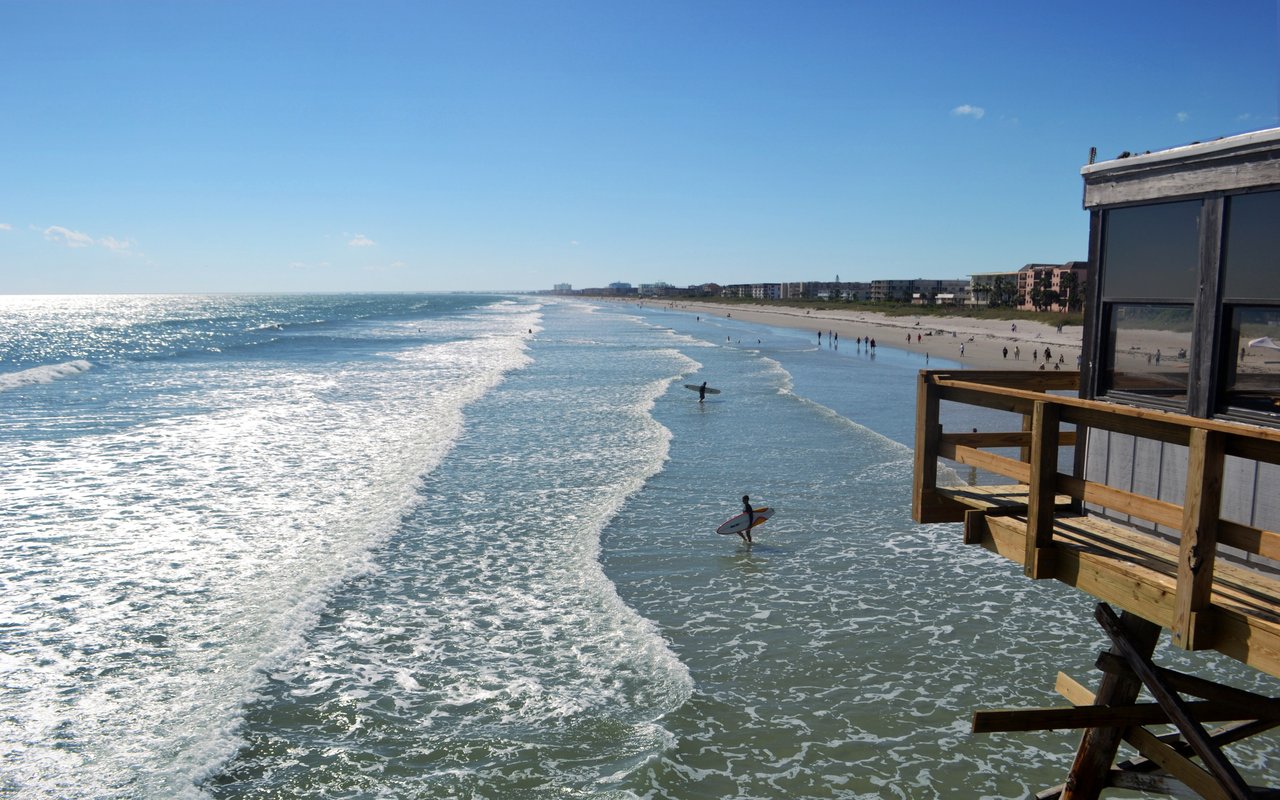
The city also offers the coastal setting many second-home buyers want. Cape Canaveral includes about two miles of beach, with access points that include Cherie Down Park, while Jetty Park adds a beach, pier, and campground next to the port.
That combination is what makes this market stand out. You are not choosing between a cruise base and a beach property in quite the same way you might elsewhere. In many cases, you can have both.
What Condo Style Works Best
When you shop for a cruise-oriented condo, the best fit is often less about square footage and more about ease of use. In Cape Canaveral, local options include oceanfront mid-rise and high-rise buildings, plus riverfront or resort-style communities.
Examples in the area show how varied that inventory can be. Canaveral Towers describes oceanfront units with private balconies, elevator access, a heated pool, and ample parking, while communities like Costa del Sol and Bayport highlight features such as pools, clubhouse amenities, and convenient access to both the river side and Port Canaveral.
For many buyers, the most helpful features are the simple ones that support a lock-and-leave lifestyle. That may include:
- Elevator access
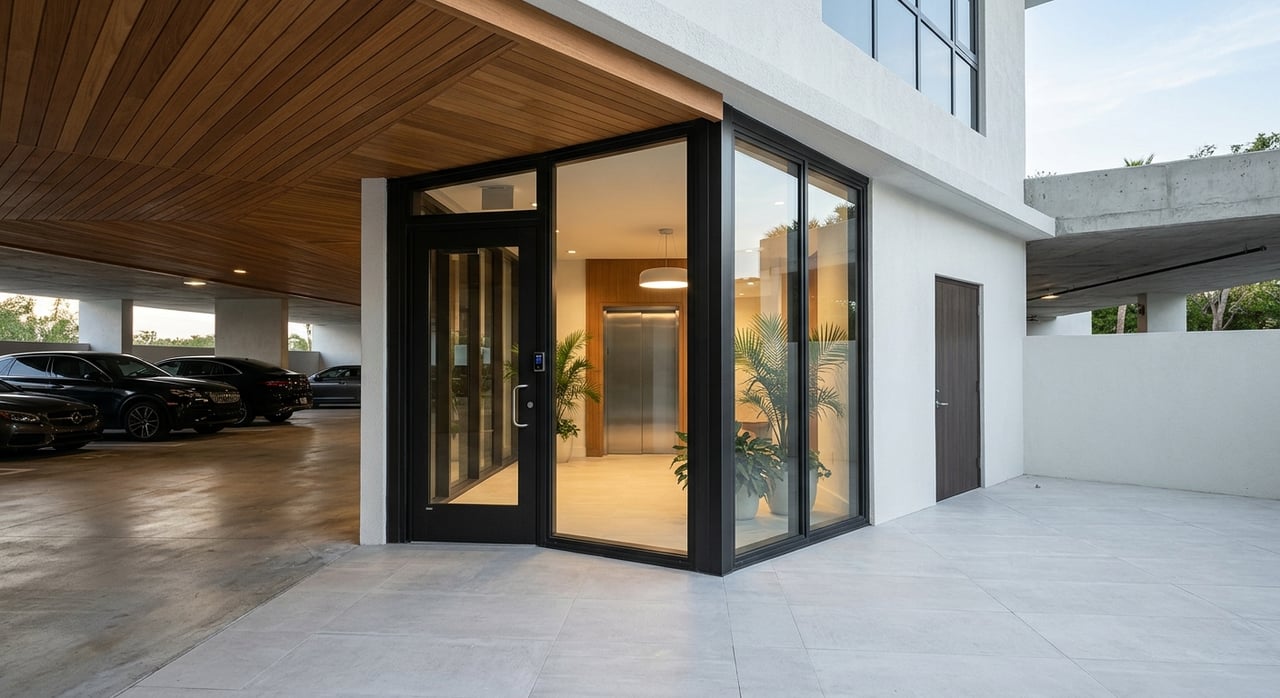
- Secure entry
- Easy parking
- Private outdoor space
- On-site amenities that feel turnkey
- A layout that works well for short stays and longer weekends
If your goal is stress-free travel, a condo that feels easy to arrive at and easy to leave often beats one with a larger footprint but more maintenance demands.
Prioritize Port and Beach Access
Location matters, but in this case, convenience matters just as much. A condo that looks great on paper may not feel as useful if getting to the port, the beach, or your daily essentials takes more effort than expected.
In Cape Canaveral, many buyers are looking for a property that supports several types of stays. You may want to use it for a cruise departure, a beach weekend, a remote-work break, or a short post-cruise stay before heading home.
That is why it helps to think in terms of your actual routine. Ask yourself how often you expect to arrive with luggage, how often guests may join you, and whether you want to walk to beach access or simply have it nearby.
A strong cruise-getaway condo usually balances four things well:
- Reasonable access to Port Canaveral
- Convenient beach access
- Low-maintenance ownership
- Parking and storage that match how you travel
Parking Can Matter More Than You Think
Many buyers focus first on views and amenities, but parking deserves equal attention. Port Canaveral says every cruise terminal has garage and surface-lot parking, with long-term parking currently priced at $17 per day plus tax, and payments are cashless at entry.
That matters because your condo may help you avoid some of the friction that comes with constant trip logistics, but only if the property itself has practical parking. You will want to confirm whether your space is deeded, assigned, first-come first-served, or limited in any way.
Guest parking is worth checking too. If family or friends are joining you before or after a cruise, limited guest access can quickly turn into a headache.
Cape Canaveral code also allows shared or off-site parking arrangements only when the owner provides a written explanation showing the arrangement will work safely and efficiently. That makes it especially important to verify exactly what parking rights come with the unit instead of relying on assumptions.
Check Storage Before You Buy
Storage is one of the easiest details to overlook. Yet for cruise buyers, it can shape how useful the condo feels from day one.
Think about what you may want to keep on-site, such as luggage, beach gear, or seasonal items. Then find out whether the community offers a private locker, a storage cage, a garage bay, or only a general amenity space.
Not all storage is equal, and not all access is equally convenient. A unit with well-located, clearly defined storage may support your travel pattern far better than one with more square footage but no practical place to put your things.
Understand the Condo Rules
Before you buy, take time to review the condominium declaration, rules, and maintenance structure. Under Florida condo law, the declaration can control the use, occupancy, and transfer of units, and it can also assign maintenance responsibility for certain limited common elements either to the association or to the owners who use them.
That can affect more than your monthly budget. It may also shape your responsibilities for items connected to balconies, shutters, exterior features, or other areas that matter in a coastal property.
Florida law also requires associations to keep official records and make them available within 10 working days after a written request. For you as a buyer, that makes due diligence especially important because key answers may be found in the records, not just in the listing description.
Know the Coastal Practicalities
A Cape Canaveral condo comes with a true coastal setting, and that means you should look beyond finishes and views. The city’s beach-management guidance states that sea turtle nesting season runs from March 1 through October 31, and exterior lights visible from the beach must be turtle-friendly, shielded, or turned off.
This is not just a technical detail. It can affect balcony lighting, exterior-lighting rules, and how the building handles certain visible fixtures.
You should also ask who is responsible for hurricane protection and what rules apply to storm preparation. If you want a genuine lock-and-leave second home, those answers can be just as important as the floor plan.
Think Carefully About Rental Plans
Some buyers want a condo mainly for personal use, while others hope to offset costs with part-time rentals. If rental flexibility matters to you, do not assume every condo can be used the same way.
Cape Canaveral’s code says vacation rentals are not prohibited, but the city addresses life-safety and compatibility issues through rules that can include parking, solid-waste pickup, sea turtle lighting, and beach, park, and nuisance regulations. At the community level, the declaration and condo rules may add more limits.
In other words, a condo may be a great cruise base without being a strong short-term rental fit. That is why it is wise to review the declaration, rules, and rental policy carefully with a Florida real estate attorney and tax professional before closing.
Understand the Tax Piece
If you may rent the condo for short stays, taxes need a close look. Florida law allows counties to impose local option transient rental taxes on accommodations, including condominium units, when the rental term is six months or less.
Brevard County says its Tourist Development Tax is currently 5 percent on short-term rentals, and that is added to Florida’s 7 percent state sales tax. The county tax collector says the owner or manager is responsible for collecting, accounting for, and remitting the tax.
This does not mean a rental plan is a bad idea. It simply means your ownership strategy should be clear from the start so the condo you buy aligns with how you plan to use it.
How To Choose the Right Condo
If you are comparing options in Cape Canaveral, keep your decision centered on daily function rather than just vacation appeal. The best choice is usually the one that feels easy, predictable, and enjoyable every time you arrive.
A smart shortlist often includes these questions:
- How quickly and easily can you get to Port Canaveral?
- How convenient is the beach access?
- Is the building easy to lock and leave?
- What type of parking comes with the unit?
- What storage is actually included?
- What do the condo rules say about use, maintenance, and rentals?
- Are lighting and storm-prep responsibilities clearly defined?
When those answers line up with your travel habits, the condo tends to work better over the long term. That is especially true in a market like Cape Canaveral, where the right property can support both a coastal lifestyle and frequent cruise use.
Whether you want a refined second home, a waterfront getaway, or an investment-minded condo with practical cruise access, working with a local advisor can help you sort through the details that matter most. To explore Cape Canaveral condo options with a concierge approach, connect with alyssa boyd.
FAQs
What makes a Cape Canaveral condo good for cruise getaways?
- A strong fit usually combines practical access to Port Canaveral, nearby beach access, easy parking, useful storage, and a low-maintenance lock-and-leave setup.
What parking questions should you ask about a Cape Canaveral condo?
- You should confirm whether parking is deeded, assigned, shared, or limited, and also ask about guest parking and any off-site or special-use arrangements.
What condo amenities matter most for cruise-oriented ownership in Cape Canaveral?
- Buyers often prioritize elevator access, secure entry, private balconies, pools, and amenities that feel easy to maintain and convenient for short stays.
What rental rules should you review before buying a Cape Canaveral condo?
- You should review the condo declaration, association rules, and city requirements related to vacation rentals, parking, waste pickup, lighting, and nuisance standards.
What taxes apply if you rent out a Cape Canaveral condo short term?
- Brevard County says short-term rentals are subject to a 5 percent Tourist Development Tax, and that is added to Florida’s 7 percent state sales tax for applicable stays.
Why do sea turtle lighting rules matter for Cape Canaveral condo buyers?
- During sea turtle nesting season, exterior lights visible from the beach must meet city guidance, which can affect balcony use, exterior fixtures, and overall lock-and-leave convenience.