Shopping or prepping a coastal home in Indialantic can feel like learning a new language. Between storm risk, salt air and shifting insurance rules, it is natural to wonder which upgrades truly matter and which ones are just nice to have. In this guide, you will see the coastal features local buyers prioritize, why they carry weight in Indialantic, and how they influence inspections, insurance and offers. Let’s dive in.
Why features matter in Indialantic
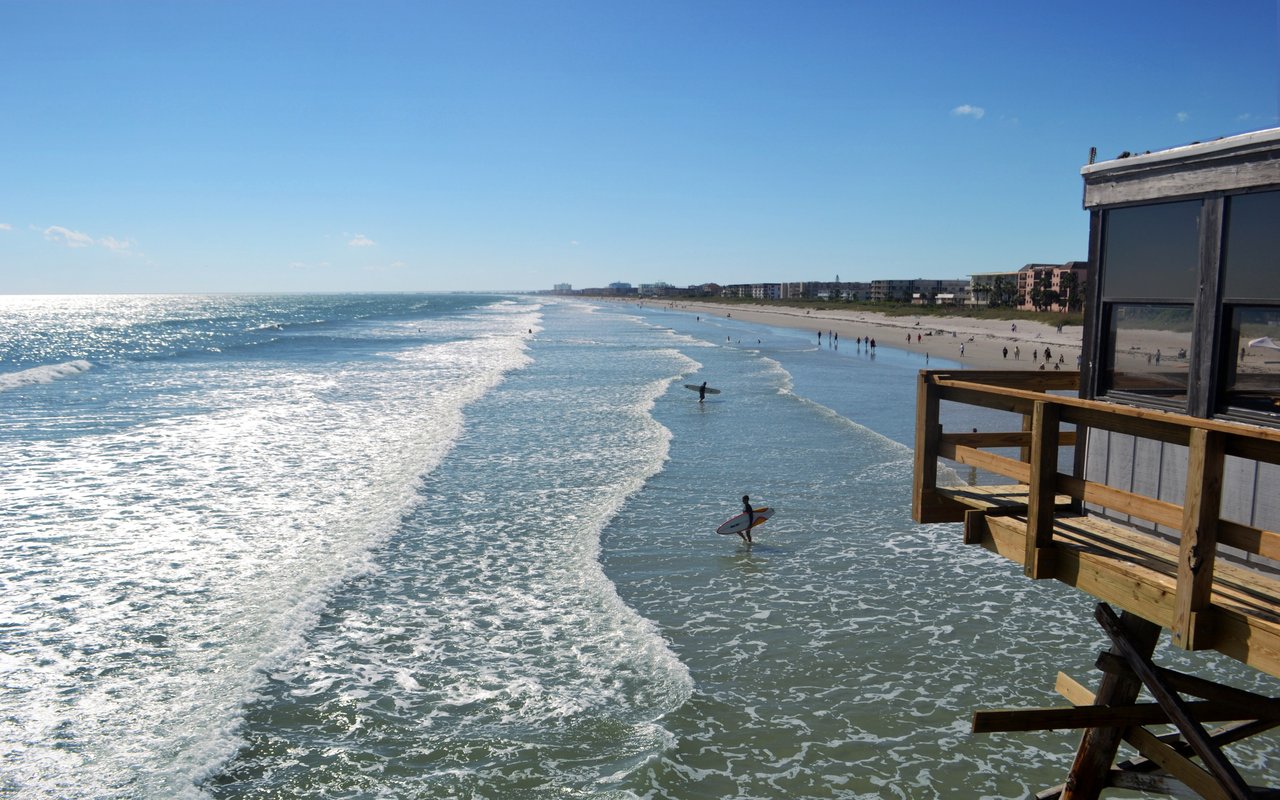
Indialantic sits on a narrow barrier island between the Atlantic Ocean and the Indian River Lagoon. That beauty comes with exposure to wind, salt, storm surge and flooding, which shape how homes are built, insured and maintained. Buyers look closely at features that reduce storm vulnerability, lower recurring costs and make outdoor living easy year round. If you are selling, highlighting these details can set your property apart and support stronger offers.
Impact protection buyers want
What it is
Impact-rated windows and doors use laminated glass designed to resist wind-borne debris. Certified hurricane shutters or panels can serve the same role when installed and maintained properly.
Why it matters
Keeping the building envelope intact reduces water intrusion and damage during storms. Buyers value permanent solutions that preserve natural light and do not require last-minute installation. Verified impact protection can also qualify for wind mitigation insurance credits, which many Florida insurers offer based on inspection.
Practical notes
- Verify Florida or Miami-Dade product approvals and correct installation, including frames, anchorage and flashing.
- Keep documentation handy: manufacturer approvals, installation receipts and any wind mitigation inspection reports.
- For condos, coordinate with the association since exterior upgrades are often governed by HOA rules.
Durable roofs that reassure
What it is
Coastal-ready roof systems include metal, concrete or clay tile, and high-quality architectural shingles installed to Florida’s uplift and secondary water resistance standards.
Why it matters
Roof failure is a major source of interior damage during storms. A strong, well-installed roof reduces risk and downtime after a weather event. New or certified roofs can also help with insurability, and some insurers consider age, attachment methods and underlayment when pricing policies.
Practical notes
- Lifespans vary by product and exposure: many architectural shingles last around 20 to 30 years, metal often 40 or more, and concrete or tile often 50 or more, depending on installation quality and coastal conditions.
- In salt air, fastener type matters. Stainless or hot-dip galvanized components are preferred for corrosion resistance.
- Share re-roof permits, age, recent repairs and warranty details in your listing materials to build buyer confidence.
Outdoor living that lasts
What it is
Covered porches, screened lanais, outdoor kitchens, durable decking and storage for beach gear designed for a coastal setting.
Why it matters
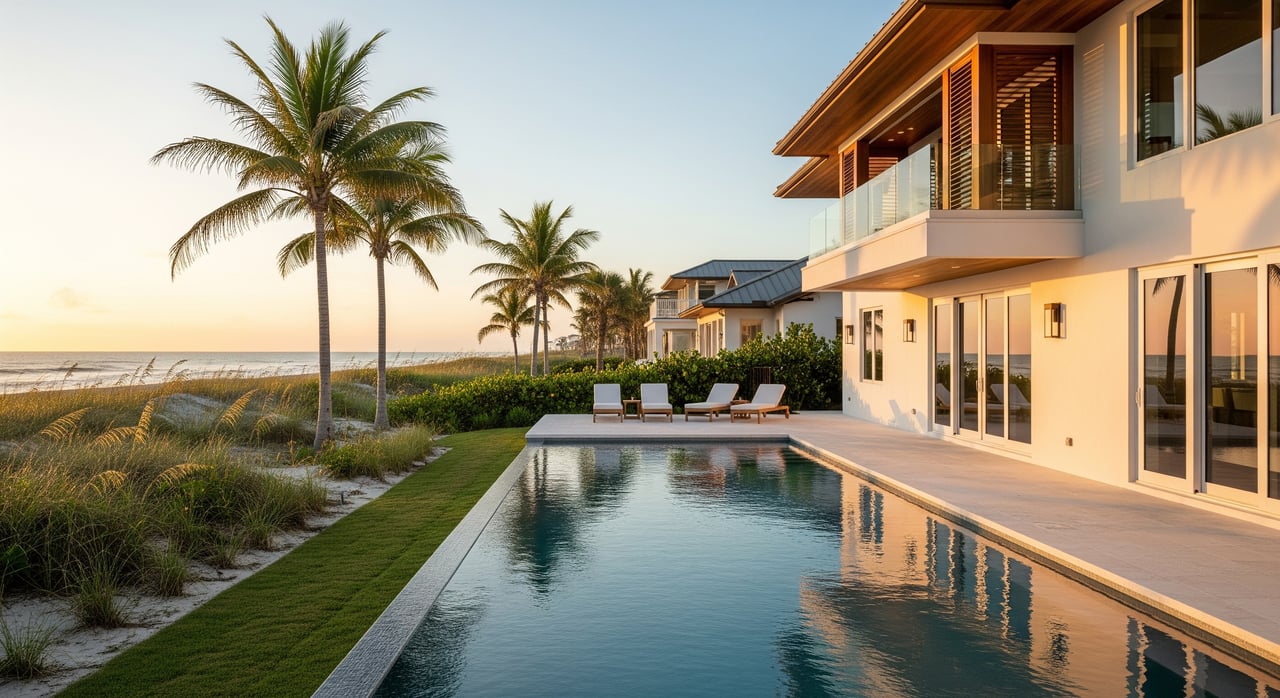
Outdoor living is a priority for Indialantic buyers. Spaces that balance views, shade and durability create daily value and show well in marketing. Thoughtful design reduces upkeep and keeps spaces usable through heat, humidity and the storm season.
Practical notes
- Choose resilient materials: composite decking, fiber cement trim, marine-grade appliances and brushed stainless hardware.
- Confirm permits for enclosures and additions, and check FEMA rules for ground-level enclosures in mapped flood zones.
- Use salt-tolerant landscaping and stormwater-smart hardscape to reduce erosion and maintenance.
Smart, efficient climate control
What it is
High-efficiency HVAC systems such as heat pumps, zoned controls or ductless mini-splits, paired with smart thermostats, good insulation and proper ventilation.
Why it matters
Energy costs and humidity control are central in coastal Florida. Efficient systems improve comfort and lower operating costs, and smart thermostats help manage energy when you are away. Proper sizing and sealed ducts also support better humidity control to protect finishes and furnishings.
Practical notes
- Document age, service history, efficiency ratings and any permits or final inspections.
- Verify condensate management and filter schedules to keep systems running cleanly.
- In condos, confirm whether HVAC is owner-maintained or part of a building system.
Low-maintenance coastal finishes
What it is
Materials that resist moisture, rot and corrosion, such as fiber cement siding, UV-stable exterior finishes, composite decking, and stainless or coated fasteners and hardware.
Why it matters
Salt, sun and humidity accelerate wear. Low-maintenance finishes reduce surprise repairs, support a lock-and-leave lifestyle and present better during inspections. Buyers notice clean exteriors and corrosion-resistant details.
Practical notes
- Use high-quality exterior paints and protective coatings, and expect more frequent cycles in ocean-facing exposures.
- Document materials and fastening methods, especially for decks, balconies and railings where corrosion risk is higher.
- For condos, confirm HOA standards for exterior materials to ensure compliance and consistency.
How features shape offers
Documented resilience and efficiency features often lead to stronger offers and smoother negotiations. Buyers, especially second-home owners and investors, place a premium on quick recovery after storms and predictable maintenance. Condo buyers weigh community-level items like roof age, building envelope health, reserve funds and hurricane preparedness alongside unit features.
Insurance, permits and proof
Insurance pricing and availability can change, so verification is essential. Many insurers in Florida offer wind mitigation discounts based on inspection results. Flood insurance may be required with a mortgage if the property is in a mapped flood zone, and elevation and mitigation steps can affect premiums. Keep records current and organized to reduce friction during escrow.
Documents buyers often request
- Wind mitigation inspection report and any roof certification
- Flood zone designation, elevation certificate and recent flood insurance estimate
- Roof permit history, age and warranty information n- Product approvals and installation invoices for impact windows or shutters
- HVAC age, service receipts and efficiency details
- For condos: HOA documents, insurance, reserve studies, recent assessments and maintenance plans
Seller prep checklist
- Gather proof:
- Wind mitigation report, roof certification and permit records
- Impact protection approvals and installation receipts
- Elevation certificate and recent flood insurance estimate
- HVAC permits, service history and warranties
- For condos: HOA reserve studies, insurance declarations and maintenance plans
- Invest smartly:
- Impact windows or professionally installed shutters
- Roof repair or replacement to current code
- Durable porch or decking upgrades
- Smart thermostat and HVAC tune-up
- Coordinate with your HOA or association for any exterior changes.
Buyer due diligence list
- Request: wind mitigation report, roof age and permit history, impact window certifications, elevation info, recent engineering reports for balconies or seawalls, and relevant HOA documents for condos.
- Inspect: signs of corrosion on fasteners and railings, water intrusion points, attic ventilation, and proper flashing at penetrations and doors.
- Verify insurance: secure wind and flood quotes early, and review deductibles and exclusions.
- Think long term: consider sea level trends, coastal erosion and community dune management plans when comparing properties.
Ready to talk
You deserve a clear plan for value, resilience and peace of mind on Florida’s Space Coast. If you are weighing upgrades before listing, or comparing coastal features across properties, you can get tailored guidance and a selling or buying strategy that fits your goals. For discreet, concierge-level support backed by deep local expertise, connect with alyssa boyd.
FAQs
What roof types perform best in Indialantic?
- Metal, concrete or clay tile, and high-quality architectural shingles installed to Florida wind standards perform well when properly fastened and protected against corrosion.
How do impact windows affect insurance in Florida?
- Many insurers offer wind mitigation discounts when impact protection is verified through inspection, but savings vary by provider and policy.
Which outdoor upgrades hold up to salt air?
- Covered or screened areas with composite decking, marine-grade appliances, and stainless hardware offer durability and lower maintenance in a coastal climate.
What paperwork should a seller prepare for a coastal listing?
- Compile wind mitigation and roof reports, permits, product approvals, elevation certificate, HVAC records, and for condos, HOA insurance and reserve documents.
How can condo buyers gauge building resilience in Indialantic?
- Review roof and building envelope updates, reserve studies, hurricane prep plans, and any engineering reports alongside HOA rules and financials.
Do efficient HVAC systems pay off near the ocean?
- Efficient, well-sized systems with smart controls improve comfort and lower operating costs, and good duct sealing supports humidity control in a humid coastal climate.