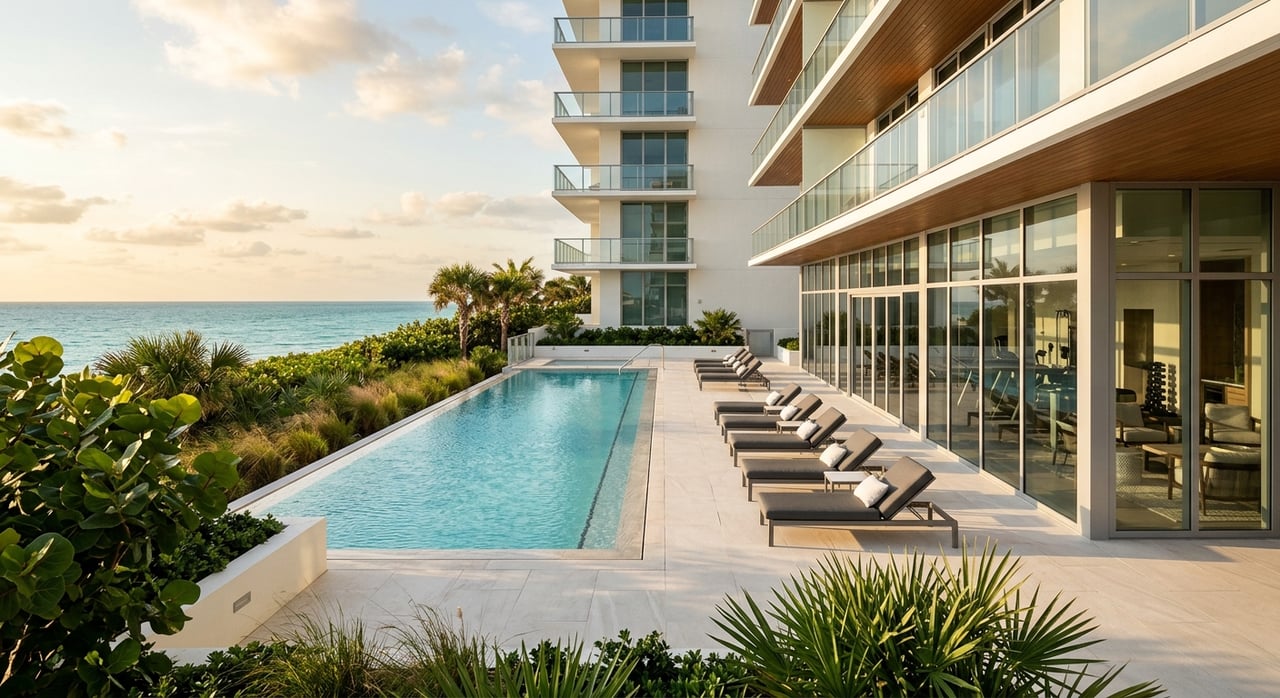
If you are shopping for a luxury oceanfront condo in Cocoa Beach, the view is only the beginning. In this market, amenities can shape how easy, private, and enjoyable daily life feels, whether you plan to live there full time, use it seasonally, or hold it as an investment. The key is knowing which features look good in a brochure and which ones truly improve ownership. Let’s dive in.
What luxury means in Cocoa Beach
In Cocoa Beach, luxury condo living sits on top of an already strong beach lifestyle. The city offers more than 40 beach access points, oceanfront parks, a public 50-meter pool, tennis and pickleball, a golf course, and even rocket launch viewing. That means private condo amenities are often less about replacing recreation and more about adding comfort, convenience, and privacy.
Local luxury oceanfront condos tend to fall into three broad categories. You will usually see boutique buildings with fewer residences, resort-style communities with a wider amenity package, and condo-resort properties that blend residential ownership with hospitality-style features. Each creates a different day-to-day experience.
That distinction matters when you compare buildings. Some buyers want a quieter, lower-density setting with simpler shared spaces, while others prefer a more active property with pools, club areas, and on-site management. Neither option is inherently better. It depends on how you want the property to fit your life.
Amenities that matter most
Beach access and outdoor living
In an oceanfront market, direct beach access is one of the first things buyers notice. Some buildings offer a private walkway to the sand, while others may simply sit near one of Cocoa Beach’s many public access points. That difference can affect how convenient the property feels on a busy weekend or after a long day.
Outdoor spaces also carry real weight in luxury condos. Large balconies, heated pools, spas, and hot tubs show up again and again in Cocoa Beach’s higher-end buildings. These are the features you are likely to use often, not just admire during a tour.
Fitness and wellness spaces
A well-designed fitness room can make a condo feel more like a complete second home. Buildings such as The Surf at Cocoa Beach and Stonewood Towers highlight fitness areas, while some local properties also include saunas or health-club style features. If wellness is part of your routine, this category deserves a close look.
The same goes for shared social spaces. Clubrooms, lounges, and clubhouses can make hosting easier and give owners another place to relax beyond the unit itself. In some buildings, these spaces are fairly simple. In others, they include features like kitchens, libraries, or entertainment areas.
Parking and private garages
Parking can be one of the most overlooked parts of condo shopping until it becomes a daily frustration. In a coastal market, a private garage or well-managed parking setup can matter as much as square footage. The Surf at Cocoa Beach, for example, highlights private two-car garages for each residence.
That said, buyers should not assume a garage means unlimited flexibility. Local condo rules can still regulate how garages are used, including limits on storage and expectations around vehicle parking. If you have multiple vehicles, seasonal guests, or specific storage needs, this is worth verifying early.
Controlled access and management
Security in Cocoa Beach condo communities often shows up in practical ways. Instead of full concierge staffing, many buildings use features like gated entry, locked lobbies, parking controls, and on-site oversight. Stonewood Towers emphasizes a gated setting, and other local associations use locked access points and permit-based parking management.
For many buyers, this is less about luxury branding and more about peace of mind. A building with clear access controls and responsive management can feel easier to own, especially if you are not there year-round. It can also help set expectations for guests, deliveries, and shared-space use.
Resort-style vs. residential feel
One of the most useful ways to compare luxury oceanfront condos in Cocoa Beach is to ask a simple question: do you want the property to feel like a resort or a private residence?
Resort-style buildings often emphasize a broader recreation package. You may see heated pools, hot tubs, restaurants or lounges, social spaces, and management that supports a more hospitality-driven experience. Discovery Beach Resort is one local example of this blended condo-resort model.
Boutique or more residential buildings often appeal to buyers who value lower density and a quieter atmosphere. In those settings, the luxury may come through private garages, fewer neighbors, storm-rated glass, or more intimate shared amenities rather than a large recreation footprint.
This choice is personal, and it should align with how you plan to use the unit. A second-home owner may prize ease and amenities that make every visit feel turnkey. A full-time resident may care more about parking, privacy, and practical building operations.
Walkability adds another layer
In Cocoa Beach, luxury is not only about what is inside the building. It can also be about what you can reach nearby without much effort. Some oceanfront condos gain appeal from being close to restaurants, shopping, a supermarket, and other everyday stops.
That kind of convenience can matter more than buyers expect. If you can walk to dinner, pick up groceries easily, or enjoy the area without getting in the car every time, the condo may feel more livable over the long term. In this market, building amenities and neighborhood convenience often work together.
The fine print behind the amenity list
The amenity package is only part of the story. In Florida condo resales, buyers are entitled to receive important documents, including the declaration, articles, bylaws, rules, and annual financial information, and there is a 7-day voidability period after the required resale documents are delivered. Those records can reveal limits that do not appear in marketing materials.
This is where serious buyers gain clarity. The governing documents may address pets, guest use, parking, rentals, flooring, noise, or how common areas can be used. Even developer marketing for new projects includes statutory reminders that buyers should rely on the official project documents required by Florida law.
In other words, the real value of an amenity depends on how it can actually be used. A heated pool sounds great, but the rules around guests, hours, or pet restrictions may shape your experience just as much as the pool itself.
Why pet and guest rules matter
Pet policies are especially building-specific in oceanfront communities. One local oceanfront rulebook restricts pets from pool, dune, and beach areas and requires pet registration. Another addresses service animals and emotional support animals with documentation and uses parking permits to manage resident and guest vehicles.
That means two buildings with similar views and similar amenities can feel very different in practice. If you travel with pets, host visitors often, or expect flexible use of shared spaces, you will want to review those rules carefully. This step can save you from surprises after closing.
Rental use changes the equation
If you are buying a second home or investment property, the amenity conversation should always connect to rental policy. Cocoa Beach’s vacation-rental ordinance does not prohibit vacation rentals, but it does regulate issues such as registration, parking, noise, signage, occupancy limits, and minimum safety requirements, including a 911-capable telephone.
Association rules can add another layer on top of city requirements. A building may offer resort-style amenities but still limit rental frequency, guest use, or access in ways that affect your plans. Before you weigh the pool, spa, or beach access too heavily, make sure the rental structure works for your intended use.
Coastal buildings and resilience
On the coast, amenities should also be viewed through the lens of building condition and long-term maintenance. Florida law requires milestone inspections for condominium and cooperative buildings that are three stories or more, generally by the time a building turns 30 years old, with the possibility of inspection at 25 years when saltwater proximity justifies it.
Current sales can also involve disclosure of a milestone summary and the association’s most recent structural integrity reserve study when applicable. For buyers, this does not make older buildings a no-go. It simply means that the age, upkeep, and structural planning behind the amenities deserve as much attention as the amenities themselves.
Questions to ask before you buy
When you tour luxury oceanfront condos in Cocoa Beach, it helps to focus on the features you will use every week. A strong amenity package is not just impressive. It should reduce friction and support the lifestyle you actually want.
Use these questions to compare buildings more clearly:
- Is the beach access private, direct, or simply nearby?
- Is the pool heated and oceanfront, or is it more of a standard community feature?
- Is parking deeded, covered, garage-based, or tightly managed shared parking?
- How strict are the rules around pets, guests, rentals, and common-area use?
- Does the building feel more like a resort or more like a private residence?
- If the building is older, what do the inspection and reserve documents show?
How to think about value
In Cocoa Beach, the most meaningful luxury amenities are often the ones that improve everyday ownership. Direct beach access, a heated pool, a fitness room, a comfortable lounge or clubroom, useful parking, and building rules that match your lifestyle often matter more than a long list of rarely used extras.
Because Cocoa Beach already offers such strong public beach access and recreation, private condo amenities work best as a convenience and privacy layer. They can make ownership easier, more comfortable, and more tailored to your routine. For many buyers, that is where the real luxury lives.
If you want help comparing oceanfront condo amenities in Cocoa Beach and understanding how the documents behind the listing may affect day-to-day ownership, alyssa boyd offers a discreet, concierge-level approach grounded in deep local experience.
FAQs
What luxury condo amenities are most important in Cocoa Beach?
- In Cocoa Beach, buyers often focus most on direct or convenient beach access, heated pools, large balconies, fitness spaces, clubrooms, practical parking, and controlled building access.
How do Cocoa Beach condo amenities differ from other beach markets?
- Because Cocoa Beach already has more than 40 public beach access points and a strong public recreation network, private condo amenities often add convenience, comfort, and privacy rather than serving as the only source of recreation.
What should buyers verify about Cocoa Beach condo amenities before closing?
- Buyers should review the condo declaration, bylaws, rules, financial information, and any applicable resale documents to confirm how amenities, parking, pets, guests, and rentals are actually regulated.
Are resort-style condos common in Cocoa Beach?
- Yes, Cocoa Beach includes both resort-style oceanfront properties with broader recreation packages and lower-density residential buildings with a quieter ownership feel.
Do Cocoa Beach oceanfront condos allow vacation rentals?
- Some may, but buyers need to verify both the City of Cocoa Beach vacation-rental requirements and the individual condo association’s rental rules before relying on that use.
Why does parking matter so much in Cocoa Beach luxury condos?
- Parking can have a major effect on daily convenience, especially in coastal buildings where spaces, garages, guest parking, and storage use may all be governed by association rules.