If you are drawn to Melbourne Beach, you are probably not just choosing a house. You are choosing a lifestyle shaped by the Atlantic on one side and the Indian River Lagoon on the other. That can feel exciting, but it also means the right fit depends on how you want to live day to day. This guide will help you understand ocean-to-river living in Melbourne Beach, compare the main property settings, and know what to verify before you buy. Let’s dive in.
Why Melbourne Beach Feels Different
Melbourne Beach is a barrier-island town on Brevard County’s Atlantic coast and describes itself as the county’s oldest beach community, established in 1883. That history matters, but what really defines the town today is its narrow coastal setting between the ocean and lagoon.
In South Melbourne Beach, the landscape changes quickly as you move across the island. Brevard County’s Barrier Island Sanctuary Public Access Plan notes dune and coastal strand on the ocean side, with maritime hammock and tidal swamp on the west side. There is even a trail connection that lets you move from the ocean toward the lagoon through several habitat zones.
That ocean-to-river pattern shapes everyday life. A paved bike path runs along A1A from the Town of Melbourne Beach to Sebastian Inlet State Park, and public access points reinforce that you are living in a place connected by water, shoreline, and outdoor movement.
The Four Ways to Live Here
Choosing between oceanfront, riverfront, canal-front, and interior living is really about deciding how you want your home to function. Each setting comes with a different rhythm, a different level of exposure, and different property questions to ask.
Oceanfront Living
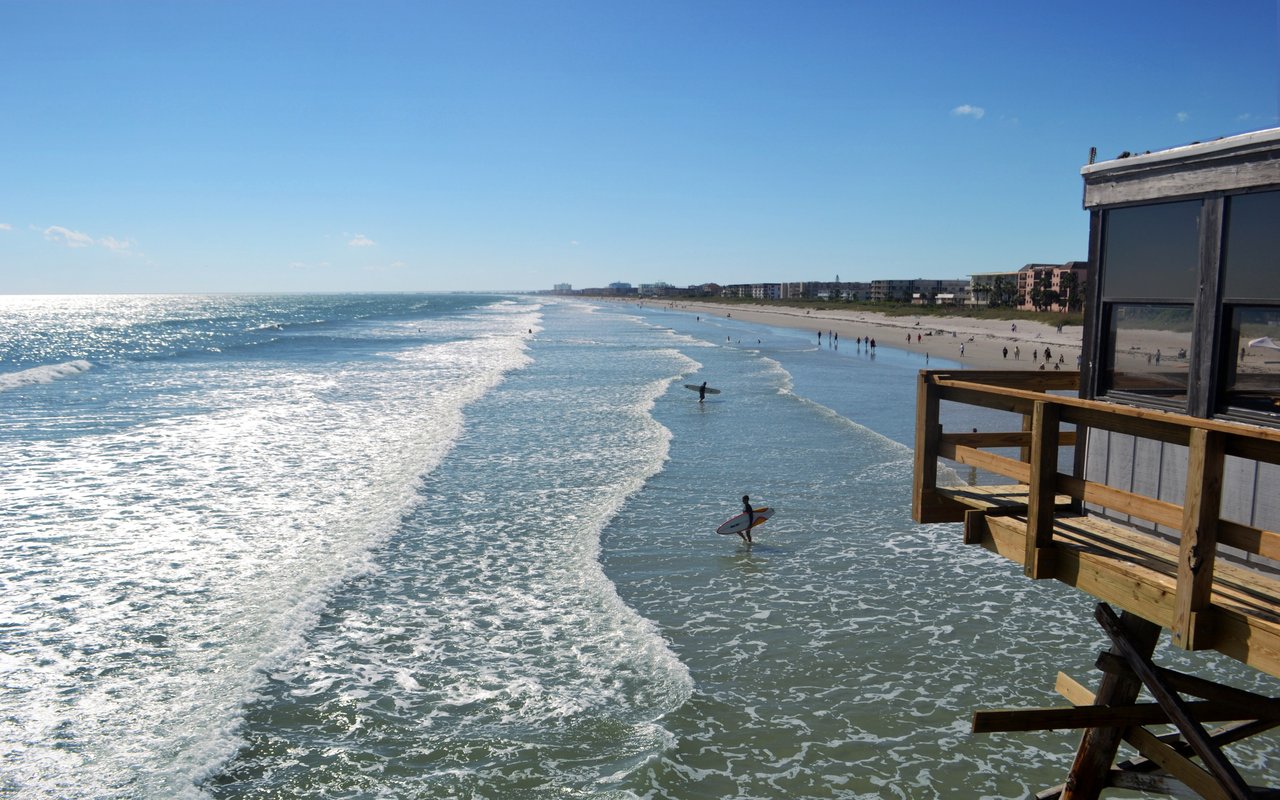
If your dream is to step outside and head straight to the sand, oceanfront is the clearest match. This setting works well for buyers who want direct Atlantic access and a lifestyle centered on daily beach walks, surfing, surf fishing, or simply having the shoreline as part of the view.
Melbourne Beach and nearby county parks support that beach-focused lifestyle. Bonsteel Park, for example, includes an ADA-accessible beach crossover and raised boardwalk, and area beach parks highlight surfing, surf fishing, and seasonal beach use.
The tradeoff is that oceanfront ownership comes with more environmental exposure. The Florida Department of Environmental Protection says construction seaward of the Coastal Construction Control Line must meet special siting and design criteria, reflecting the realities of erosion, dune protection, and public access along Florida’s coast.
You also want to expect an active shoreline-management environment. As of March 2026, the town reported that South Reach beach renourishment had begun, with periodic beach access closures possible while work progresses. Daily life on the ocean side can be beautiful, but it is never completely static.
Riverfront and Lagoon-Front Living
If boating, paddling, fishing, and sunset views pull you in more than direct surf access, riverfront or lagoon-front living may be the better fit. These homes connect you to the Indian River Lagoon side of Melbourne Beach, where the pace often feels a little different from the open ocean side.
The town’s own stormwater program shows how important lagoon health is to the community. Melbourne Beach highlights bioswales, rain gardens, pervious surfaces, swales, storm-drain markers, and oyster mats as part of its work to reduce nutrient runoff into the lagoon.
For buyers who want water access as part of daily life, the lagoon side has a clear draw. Long Point Park near Sebastian Inlet offers a motorized boat ramp, canoe access, shoreline fishing, and shoreline campsites, which helps illustrate how boating and paddling shape the river-side lifestyle.
These homes can be especially appealing if you want waterfront living without being directly on the ocean. Still, you should evaluate each property carefully for dock condition, drainage, and how the water access aligns with the way you actually plan to use it.
Canal-Front Living
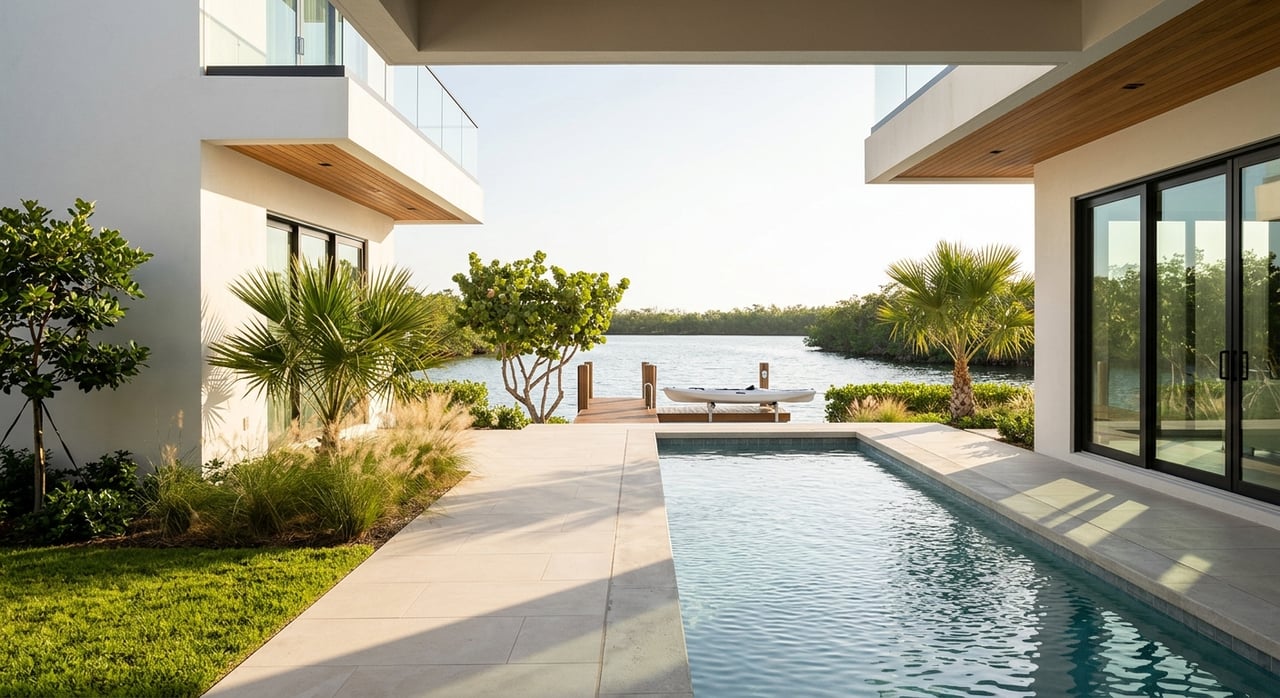
Canal-front homes often appeal to buyers who want waterfront access in a more sheltered setting. In the right situation, a canal-front property can offer convenience for boating or kayaking while feeling more protected than open frontage.
That said, canal-front does not mean low-risk waterfront by default. Brevard County’s 2025 hazard mitigation plan says localized erosion can occur along river and stream banks, canals, and drainage ditches. The town’s stormwater program also notes that runoff from streets, roofs, and other hard surfaces can carry nutrients and pollutants into the lagoon.
For that reason, canal-front buyers should look closely at practical details. You will want to understand drainage, shoreline condition, dock quality, and whether the canal works for the size and type of watercraft you plan to use.
Interior Living
Interior homes can be a strong option if you want Melbourne Beach access with a little more separation from direct waterfront exposure. For many buyers, this setting offers a more buffered feel while still keeping the beach, the lagoon, and A1A lifestyle close by.
Interior living does not mean you are disconnected from the water systems around you. The town’s stormwater network still feeds the lagoon, and Brevard County floodplain guidance says flooding sources include the Atlantic Ocean, the St. Johns River, and the Indian River Lagoon system and its tributaries.
Many buyers choose interior lots because they prefer proximity without needing direct water frontage. That can be especially attractive if your goal is to enjoy barrier-island living while keeping maintenance and exposure considerations in better balance.
How to Match the Setting to Your Lifestyle
The best location in Melbourne Beach depends less on price point alone and more on how you picture daily life. A beautiful property is only the right property if it supports the way you want to live.
Best for Beach Access
If beach time is the center of your routine, oceanfront is usually the strongest fit. It gives you the most direct access and the easiest path to a true walk-out coastal lifestyle.
That said, Melbourne Beach is not limited to oceanfront-only beach enjoyment. Public beach access points and crossovers mean some non-oceanfront homes can still put you very close to the sand.
Best for Boating and Paddling
If your weekends revolve around launching a boat, heading out by kayak, or spending time on the lagoon, riverfront and some canal-front homes are the most likely fit. The exact answer depends on water depth, navigability, dock setup, and how close you are to public launch options.
This is where property-specific due diligence matters. Two waterfront homes can look similar on paper but function very differently for actual boating use.
Best for Lower Exposure
If you want barrier-island living with a more buffered setting, interior homes and some sheltered canal-front lots may be worth a closer look. In general, these settings may reduce direct beach activity and some ocean-facing exposure.
Still, all homes on a barrier island face some mix of salt, wind, flood, or drainage considerations. Lower exposure does not mean no exposure, so it helps to evaluate each home carefully.
What Buyers Should Verify Before Closing
In Melbourne Beach, due diligence is not just a paperwork step. It is part of buying wisely in a coastal market where location and environmental factors can affect comfort, upkeep, and long-term ownership costs.
Check Flood Zone and Insurance
Brevard County’s floodplain office is the official repository for FEMA Flood Insurance Rate Map panels and notes that most standard homeowners policies do not cover flood damage. Before you buy, verify the flood zone, ask for the elevation certificate, and confirm whether your lender will require flood insurance.
Even if a property is outside the highest-risk category, that should not end the conversation. Understanding insurance requirements and exposure up front can help you plan more confidently.
Review Structural Exposure
On coastal properties, the setting itself affects how a home ages. The Florida Department of Environmental Protection says structures seaward of the Coastal Construction Control Line must meet special siting and design criteria, and FEMA notes that salt spray from breaking waves and onshore winds can accelerate corrosion of metal fasteners and connectors.
That is why a licensed home inspection is especially important here. For some oceanfront homes and certain riverfront properties, buyers may also benefit from additional evaluation focused on structural or coastal exposure issues.
Understand Shoreline Management
Beachfront living in Melbourne Beach exists within an active management environment. The town reported that South Reach beach renourishment began in March 2026, and access closures may happen periodically while work is underway.
Seasonal rules also shape shoreline use. In Brevard County, mechanical beach cleaning is limited during sea turtle nesting season, which runs from March 1 through October 31.
Verify Vacation-Rental Rules
If you are considering a second home or investment strategy, confirm short-term rental requirements before closing. Melbourne Beach has a vacation-rental registration process, a complaint hotline, and code-enforcement contacts, so it is important to verify the current local rules for the specific property you are evaluating.
This is especially relevant if rental income is part of your ownership plan. A strong property decision starts with clear expectations about permitted use.
Why Local Guidance Matters
Melbourne Beach looks simple on a map, but buying here is rarely one-size-fits-all. The difference between a great fit and a frustrating one often comes down to details like shoreline exposure, water access, flood considerations, and how a property supports your daily routine.
That is where local experience becomes valuable. When you are comparing oceanfront, lagoon-front, canal-front, or interior options, you want advice that is practical, specific, and rooted in how this barrier-island market actually works.
If you are exploring Melbourne Beach and want a thoughtful, concierge-level approach to finding the right coastal fit, alyssa boyd can help you evaluate the lifestyle, property setting, and ownership details with clarity.
FAQs
What does ocean-to-river living in Melbourne Beach mean?
- It refers to life on a barrier island where the Atlantic Ocean is on one side and the Indian River Lagoon is on the other, giving you access to different waterfront settings and lifestyles.
Which Melbourne Beach property setting is best for boating?
- Riverfront and some canal-front homes are usually the strongest options for boating, but you should confirm navigability, dock setup, water depth, and access for the type of vessel you plan to use.
Which Melbourne Beach property setting is best for beach access?
- Oceanfront homes offer the most direct beach access, though some non-oceanfront homes may still be close to public beach crossovers and access points.
What should buyers verify about flood risk in Melbourne Beach?
- You should verify the flood zone, review the elevation certificate, and confirm whether flood insurance will be required, since standard homeowners insurance typically does not cover flood damage.
Are Melbourne Beach shorelines static year to year?
- No. The town reported South Reach beach renourishment beginning in March 2026, and shoreline access can change during active coastal management work.
Can you use a Melbourne Beach home as a vacation rental?
- Possibly, but you should verify the town’s current vacation-rental registration requirements and local rules before closing on the property.