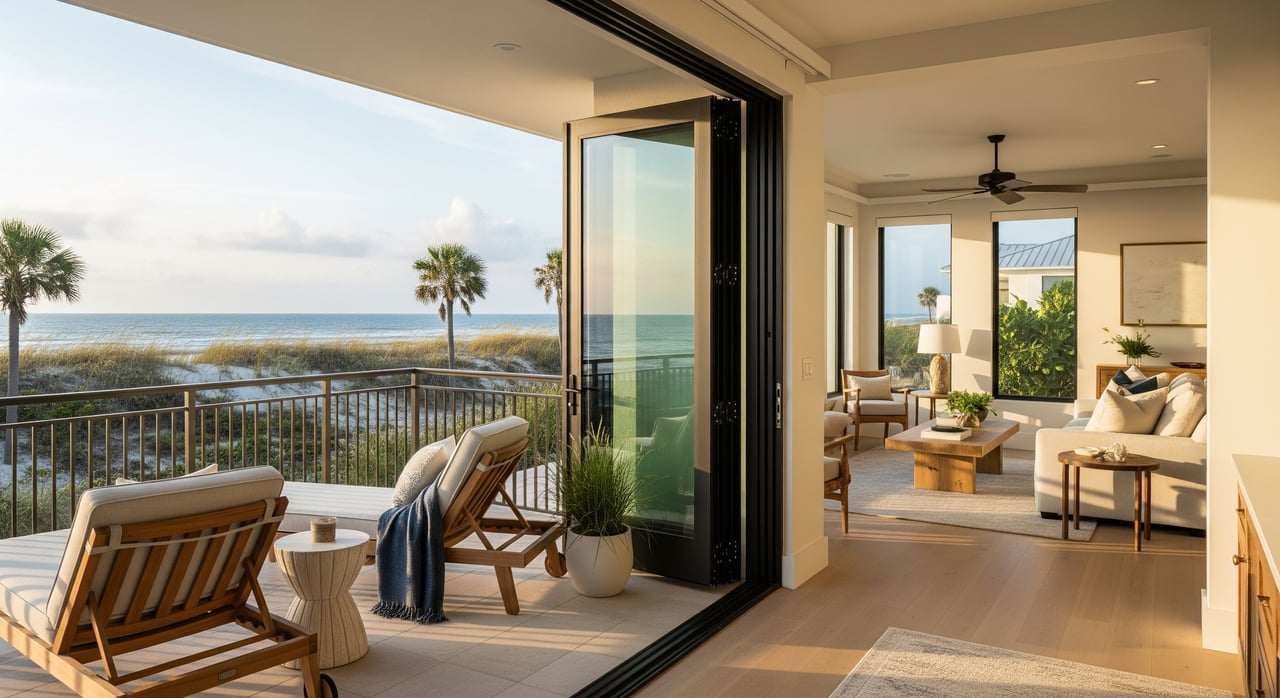
Thinking about turning your Cocoa Beach condo or beach house into a short-term rental, but not sure where to start? You are not alone. With strong seasonal demand and event-driven boosts, Cocoa Beach can be attractive for second-home investors. In this guide, you will learn the rules to follow, the numbers to model, and the building-level checks that protect your investment and maximize returns. Let’s dive in.
Cocoa Beach STR rules at a glance
Short-term rentals in Florida are regulated at several levels. In Cocoa Beach, you need to confirm rules from the city, county, state, and your building or HOA before you buy or list. Verifying each layer early helps you avoid fines, blocked bookings, or a business plan that does not pencil out.
What to check before you list
- City of Cocoa Beach: confirm any business tax receipt, STR registration or inspection, zoning/allowed use, and rules for noise, parking, trash, occupancy, and outdoor grills.
- Brevard County tax obligations: tourist development tax requirements and remittance procedures via the county tax collector or tourist development office.
- Florida Department of Revenue: registration and payment for sales tax and transient rental taxes on short stays.
- Condominium/HOA documents: declarations, bylaws, rules, board resolutions, and recorded policies that govern rentals, including minimum stays, caps on rental frequency, or owner-occupancy requirements.
- Florida Statutes: Chapter 718 for condominiums and Chapter 720 for HOAs for association authority and compliance.
- FEMA Flood Insurance Rate Maps: determine whether the property is in a flood zone and if lenders may require flood coverage.
- IRS guidance: Publication 527 on rental property tax rules, personal use vs rental classification, and allowable deductions.
Common local issues to expect
- You must collect and remit state sales tax and local transient or tourist development taxes for short stays. Registration with state and county tax authorities is typical.
- Many Cocoa Beach condominiums either prohibit short-term rentals or require minimum stays, often 30 days. Always verify recorded documents before you rely on rental income.
- The city or county may require a business tax receipt or an STR registration or inspection. Enforcement is increasing in Florida beach towns.
- Coastal properties often sit in flood zones and face wind and hurricane risk. Budget for specialized insurance and potential storm-related downtime.
- Noise, parking, trash, and occupancy rules are commonly enforced in dense beach areas. Clear guest rules and communication are essential.
Build a data-driven pro forma
A realistic pro forma lets you compare properties and stress test returns. Use market data, Cocoa Beach seasonality, and building-specific costs to project revenue and expenses.
Core inputs and formulas
- ADR and occupancy: use monthly ADR and occupancy or an annual blend; model by season where possible.
- Nights available: 365 minus owner personal-use nights.
- Channel and platform assumptions: platform host fees, channel mix, and dynamic pricing tools if used.
- Cleaning and turnovers: cost per clean and expected number of turnovers.
- Management: percentage of rental revenue if you use a professional manager.
- Fixed costs: HOA dues, property taxes, property and liability insurance, wind and flood coverage, utilities, internet, trash, landscaping, license fees.
- Variable costs: cleaning, linens, supplies, minor maintenance, guest consumables.
- Reserves and capital: set aside funds for roof, HVAC, appliances, painting, and possible condo special assessments.
- Taxes: sales and transient taxes to collect and remit, plus federal and state income tax considerations.
Basic revenue formula:
- GrossRentalRevenue = ADR × OccupiedNights
- OccupiedNights = NightsAvailable × OccupancyRate
NOI before debt service:
- NOI = GrossRentalRevenue − (PlatformFees + ManagementFees + Cleaning + Utilities + HOA + Insurance + PropertyTaxes + Maintenance + Marketing + Miscellaneous)
Key metrics:
- Break-even occupancy = (Total fixed costs + variable costs) ÷ ADR
- Cash-on-cash return = Net cash flow after debt ÷ Cash invested
- Cap rate = NOI ÷ Purchase price
- Debt service coverage and sensitivity to ADR and occupancy changes
Cocoa Beach seasonality and demand
- Peak season: December through April often brings the highest ADR and occupancy from snowbirds and vacationers.
- Event spikes: rocket launches, festivals, holiday weekends, and spring break can lift rates and occupancy on short notice.
- Summer: family-oriented demand can remain steady, though ADR and occupancy may trail winter.
- Weekends vs weekdays: weekends typically outperform, but launches can shift patterns. Track calendars and plan dynamic pricing.
Scenario planning you should run
- Model pessimistic, baseline, and optimistic cases for ADR and occupancy. This captures seasonal dips and event-driven lifts.
- Add a storm downtime scenario that includes potential days offline during hurricane season.
- Treat launch-related boosts as irregular. Consider them upside in your optimistic case rather than relying on them for break-even.
Choose the right building and location
Your building’s rules and features can make or break your rental strategy. Do not assume short-term rentals are allowed, even in beach markets.
HOA and building policy checklist
- Request: declaration of condominium, bylaws, articles, rental rules, board resolutions, meeting minutes, and the resale certificate or condo disclosure packet.
- Confirm: whether short-term rentals are allowed, minimum night stays, blackout periods, percentage-of-units cap, and any owner-occupancy clauses.
- Process: guest registration steps, allowed platforms, and proof of compliance required by the association.
- Operations: parking allocations, visitor parking rules, amenity usage for renters, and any security deposit or fine policies.
- Financials: pending special assessments, reserve fund strength, and known capital projects.
- If unclear, obtain written verification from the association or management company.
Physical features that drive ADR
- Elevators: essential for multi-story buildings to widen guest appeal and ease turnovers.
- Layout: bedroom count, sleeping capacity, and bathroom mix influence nightly rates and comfort.
- Views and outdoor space: balconies and ocean views generally raise demand and ADR.
- Laundry: in-unit or easy building access simplifies operations and attracts longer stays.
- Parking: assigned or covered spaces increase convenience in busy beach zones.
- Amenities: pool, fitness center, beach access, storage for beach gear, and bike storage are popular with guests.
- Resiliency: impact windows, hurricane shutters, elevated utilities, and surge protection can reduce downtime and insurance costs.
Street and micro-location
- Proximity: closeness to the beach, Cocoa Beach Pier, downtown, dining, and grocery tends to support stronger ADR.
- Noise and traffic: busy corridors can affect reviews and repeat bookings, especially for balcony units.
- Event access: launches and festivals can strain parking and traffic. Consider ingress and egress during peak times.
- Neighborhood parking: be mindful of resident-only zones and strict enforcement on surrounding streets.
Insurance and risk planning
Insurance needs for short-term rentals differ from standard second homes. Review coverages early so you can underwrite true operating costs.
Coverages to discuss
- Short-term rental policy: ensure your policy explicitly covers STR activity. Standard homeowner coverage often excludes it.
- Wind and hurricane: coastal exposure typically requires separate wind coverage.
- Flood: check your flood zone via FEMA FIRM and obtain quotes if a lender or risk level requires it.
- Liability and umbrella: evaluate higher limits given guest turnover.
- Loss of income: business interruption coverage can help offset downtime after covered events.
Operations that earn 5-star reviews
A clean, well-communicated, and compliant operation is the fastest path to strong occupancy and repeat guests.
Management models and fees
- Self-management: reduces direct fees but requires time, systems, and local presence.
- Professional management: full-service fees commonly range from 20 to 35 percent of rental revenue in many high-touch markets. Confirm inclusions like channel management, guest communications, emergency support, and compliance.
- Hybrid: combine owner-led guest messaging with professional cleaning and maintenance, or vice versa.
- Software: consider channel managers and dynamic pricing tools to track demand swings from launches and holidays.
Cleaning and turnover standards
- Budget for deeper cleans due to sand and sea exposure, plus faster linen turnover.
- Ensure vendor capacity for peak season and have a backup crew.
- Maintain extra bedding and towels to avoid mid-stay shortages.
- Decide between professional laundering services and in-unit or building laundry based on volume and speed.
House rules and smart tech
- Clear rules: set expectations for noise, occupancy, parking, trash, pool use, smoking, and pets.
- Screening: use ID verification and booking vetting to reduce risk.
- Tech: keyless entry and self-check-in lower costs and boost convenience.
- Monitoring: where permitted by law and HOA rules, noise-only monitoring helps deter parties without recording conversations.
Cocoa Beach guest essentials
- High-speed Wi-Fi and reliable signal coverage.
- Beach-friendly gear: chairs, umbrellas, coolers, and beach towels.
- Simple arrivals: precise parking instructions, permit details, and easy check-in.
- Local tips: launch viewing spots, restaurants, grocery, and surf lessons inside a digital house manual.
Financial and tax basics
Set up your books to clearly separate rental activity from personal use. Good records make tax time easier and support better pricing and expense control.
Income and expense lines
- Income: rental revenue, cleaning fees if passed through, pet or other guest fees.
- Expenses: platform fees, management fees, cleaning, utilities, HOA dues, insurance, property taxes, maintenance, supplies, marketing, photography, pricing software, professional fees, taxes collected and remitted, and reserves for capital items or special assessments.
Federal tax considerations
- Personal use test: if you use the property personally for more than the greater of 14 days or 10 percent of rental days, deductions may be limited under IRS rules.
- Depreciation: residential rental property is depreciated over 27.5 years, which can reduce taxable income but may be recaptured on sale.
- Deductible expenses: ordinary and necessary costs like interest, taxes, insurance, utilities, repairs, and management fees may be deductible, subject to passive activity rules.
- Sales and transient taxes: these are collected from guests and remitted separately. They do not offset federal income tax liability.
Sensitivity and break-even
- Test ADR swings from negative 20 percent to positive 20 percent and occupancy changes across seasons.
- Include storm downtime scenarios such as 7 to 30 days in hurricane season.
- For financed purchases, evaluate debt service coverage and cash-on-cash returns across multiple interest rate and down payment assumptions.
Due diligence checklist
Before you buy or convert a property to short-term rental, work through this list:
- Obtain and review all condo or HOA documents and a written statement confirming rental rules.
- Confirm city requirements in Cocoa Beach: any business license, STR registration or inspection, and ordinances that affect short-term lodging.
- Register for state sales and transient taxes and confirm Brevard County tourist tax filing steps and timing.
- Pull STR market data for your exact address or building, using at least 12 to 24 months to capture seasonality.
- Request building reserve studies, recent meeting minutes, and any pending special assessments or code items.
- Get insurance quotes that include STR coverage, wind and hurricane, and flood if needed.
- Verify flood zone and elevation, then estimate flood premiums.
- Speak with at least two local property managers about services, fees, and expected occupancy for comparable units.
- Consult a CPA experienced in STR taxation, and an attorney if HOA or local rules are unclear.
How Alyssa helps Cocoa Beach STR owners
Cocoa Beach has unique layers of regulation, seasonality, and building-by-building rules. You deserve a partner who knows the nuance and can help you make confident decisions. With deep local expertise in oceanfront condos, project sales, and investment properties, Alyssa coordinates a concierge process that supports you from building selection through post-close setup.
Here is how that looks for you:
- Building selection: identify buildings that align with your rental goals and confirm policy fit before you offer.
- HOA diligence: coordinate document collection and summarize rental rules and operational requirements.
- Pro forma support: structure a data-informed underwriting model using local seasonality and realistic operating costs.
- Vendor introductions: connect you with reputable property managers, cleaning teams, photographers, and pricing tools.
- Marketing preparation: advise on value-adding upgrades, staging, and photography to position your property for premium ADR.
- Post-close coordination: help you set up licenses, registrations, and compliance steps so you can go live smoothly.
If you are weighing a Cocoa Beach condo against a single-family home or comparing buildings with different rental windows, a strategic consultation can save months of trial and error. To discuss your goals and next steps, connect with alyssa boyd.
FAQs
What are the first legal steps for a Cocoa Beach short-term rental?
- Register for state sales and transient taxes, confirm Brevard County tourist tax obligations, verify Cocoa Beach licensing or registration needs, and confirm your condo or HOA rental rules in writing.
How do HOA rules impact short-term rentals in Cocoa Beach condos?
- HOA documents dictate whether STRs are allowed, minimum stay requirements, guest registration steps, amenity use, parking, and potential caps on the number of rented units.
When is short-term rental demand strongest in Cocoa Beach?
- Winter and spring, roughly December through April, are typically strongest, with additional spikes tied to rocket launches, holidays, and regional events.
What insurance coverages should I consider for a Cocoa Beach STR?
- Policies that explicitly cover STR activity, wind and hurricane coverage, flood insurance based on FEMA flood zones, higher liability limits, and loss of income coverage.
What belongs in a Cocoa Beach STR pro forma?
- Monthly ADR and occupancy by season, nights available, platform and management fees, cleaning and utilities, HOA dues, insurance, property taxes, reserves, and sensitivity tests for ADR, occupancy, and storm downtime.