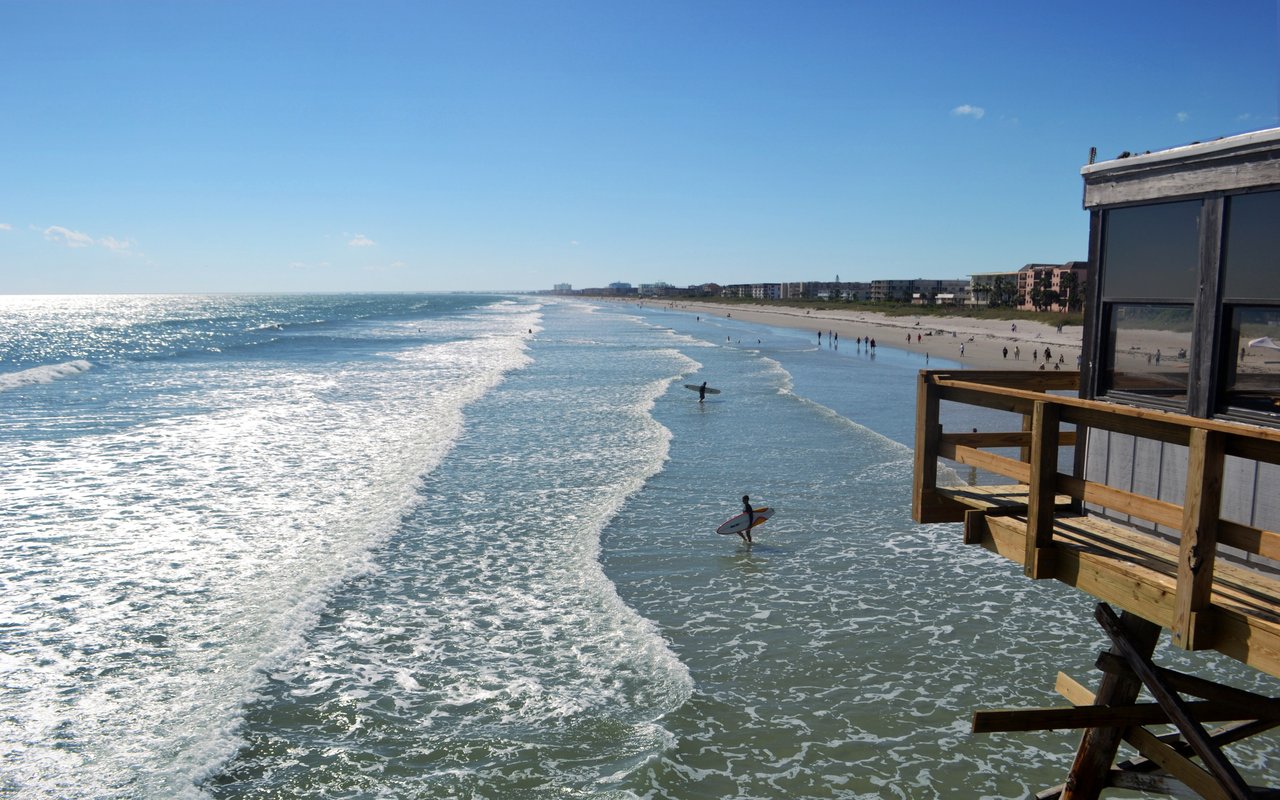
Thinking about splitting your year between home and the beach? Cocoa Beach offers a relaxed coastal rhythm with a few exciting twists, from rocket launches to a lively winter season. If you want warm weather, easy ocean access, and a low‑maintenance lock‑and‑leave lifestyle, this barrier‑island city can be a great fit. In this guide, you’ll learn what seasonal life really feels like, when to be here, and what to plan for so your second home works the way you want. Let’s dive in.
Cocoa Beach at a glance
Cocoa Beach sits on Florida’s Space Coast in Brevard County. You’re on a slim barrier island with the Atlantic Ocean to the east and the Banana River to the west, close to Port Canaveral and the Kennedy Space Center. Seasonal residents come for mild winters, beach and boating days, and a community that blends locals, part‑time owners, and visitors. Florida has no state income tax, which can be attractive for second‑home owners.
Seasonal rhythm: when to be here
Cocoa Beach has clear seasonal patterns. You will feel a busier energy in the cooler months and a quieter vibe in the summer. Knowing the calendar helps you plan your visits and your rental strategy if you choose to host guests when you are away.
Winter high season
High season typically runs from November through April. This is prime time for beach walks, dining out, and a fuller events calendar. Weekdays feel easygoing, while weekends and holidays bring more visitors, longer waits at popular spots, and tighter beach parking.
Summer low season
Summer is hot and humid. Visitor numbers dip, and some businesses may trim hours. Hurricane season runs June through November, so you will see locals pay close attention to preparedness and weather updates.
Rocket launch days
Launches are a signature part of Space Coast life and can happen any time of year. They bring short bursts of visitors, traffic, and excitement. If you plan your visits around launch windows, you can enjoy a unique front‑row experience.
Day‑to‑day life for part‑time owners
Most weekdays feel unhurried, with plenty of room on the beach and steady service at restaurants and shops. Weekends and holidays can be bustling, especially near the Pier and popular access points. You’ll get more out of your time by learning the local rhythm, timing errands, and reserving dining when a launch or holiday weekend is on the calendar. Many seasonal owners rely on a local property manager for housekeeping, routine maintenance, and storm prep when they are not in town.
Home types and tradeoffs
You will find a range of options: beachfront condos, mid‑beach single‑family homes, intracoastal properties with dock access, and townhomes or gated communities.
- Beachfront condos: direct beach access and views with lower daily maintenance for you. Expect higher association dues, potential special assessments, and elevator considerations. Check HOA rules on rentals and renovations.
- Single‑family and intracoastal homes: more privacy and potential for boat dockage. Ownership can involve higher hands‑on maintenance and insurance. Storage for bikes, boards, and seasonal gear is a plus.
- Townhomes and inland communities: a balance of space and convenience with HOA oversight. Review parking, pet rules, and any restrictions that affect your lifestyle.
Before you buy, confirm access details, parking and storage options, and any building systems you’ll depend on, like elevators and security.
Renting when you are away
Short‑term rental demand is strong in winter and often spikes around launch events and holidays. If you plan to rent your property, treat compliance like a must‑have.
- Rules vary by city, county, and building. Cocoa Beach, Brevard County, and your HOA may have licensing, occupancy, or rental‑term requirements.
- Taxes apply. Florida collects transient rental taxes, and local tourist development taxes can also apply. Federal taxes still apply to rental income.
- Check rules before you close. Regulations change, and HOA covenants can be strict. Read the latest ordinances and association documents so your plan matches what is allowed.
Insurance and storm readiness
Coastal ownership requires a clear risk plan. Hurricane season typically runs June 1 to November 30. You should discuss wind or hurricane coverage and flood insurance with your carrier or lender, especially if the home lies in a FEMA Special Flood Hazard Area.
- Expect higher coastal premiums and hurricane deductibles on many properties.
- Consider impact‑rated windows or shutters, surge protection, and battery backups.
- Have a local contact for storm prep and post‑storm checks, and sign up for emergency alerts.
Utilities and property services
Cocoa Beach has city water and sewer in many areas. Ask about minimum‑use fees, remote on‑off options, and best practices for seasonal shut‑downs. Many part‑time owners set up mail forwarding, a P.O. box, or management services for packages and deliveries. The homestead exemption is not available for second homes, which can affect your property taxes. In high season, vendors like pool care, lawn service, and housekeeping are in demand, so set contracts early and keep backups.
Getting here and around
SR A1A is the main beach corridor. SR 520 connects you to the mainland. Traffic builds in winter, on launch days, and during holiday periods, so plan extra time.
- Airports: Melbourne International Airport is the closest regional option, and Orlando International is a major hub about an hour or more away depending on traffic.
- Transit and rideshare: local bus service is limited. Rideshare is available but may thin out late at night or in the offseason.
- Parking and boating: public beach parking and boat ramps are available, often with permits or paid parking. Marina slips and dry storage can have waitlists and seasonal fees, so research availability early if you are a boat owner.
Healthcare and daily essentials
You will find hospitals and specialists within a reasonable drive in nearby cities like Melbourne and Titusville. Before your seasonal stay, line up primary care options, urgent care locations, and any specialist appointments you may need. For niche retail or certain medical services, expect to drive to larger commercial areas on the mainland.
Beach, boating, and culture
Cocoa Beach is known for surfing, fishing, and a relaxed coastal culture. You can access multiple beach parks and launch sites for boards and kayaks. The Banana River and Indian River Lagoon offer inshore adventures, while offshore charters run out of nearby Port Canaveral. From spring festivals to farmers markets, the calendar grows in winter. During sea turtle nesting season, typically May through October, be mindful of lighting rules and how you set beach furniture so you protect the shoreline environment.
Pre‑purchase due diligence
A little homework goes a long way. Before you write an offer, make a checklist and verify items with the appropriate authorities and your advisors.
- Flood zones and insurance: confirm the property’s FEMA flood zone and lender requirements for flood coverage.
- Local regulations: review Cocoa Beach and Brevard County rules on short‑term rentals, parking, noise, and beach lighting. Check HOA covenants for rental limits, pet policies, and exterior changes like shutters.
- Evacuation planning: know your evacuation zone, routes, and nearby shelters. Register for local alerts.
- Financing and ownership: second‑home loans and insurance can have different terms than primary residences. If you are an international buyer, work with lenders familiar with non‑resident financing.
Seasonal resident checklist
Use this list to set up your home and your routine so your time here feels effortless.
- Before purchase: verify FEMA flood zone, HOA rules, city and county rental regulations, claims history, and local parking and noise rules.
- Insurance: compare homeowners, wind or hurricane, and flood policies. Confirm deductibles and how claims are handled.
- Property management: engage a local manager for maintenance, storm prep, and rental support if applicable.
- Logistics: set up mail forwarding or a P.O. box. Arrange utilities and understand minimum‑use fees. Plan for package handling when you are away.
- Health and safety: identify local physicians, urgent care, and hospitals. Enroll in emergency alerts. Prepare a hurricane kit and an evacuation plan.
- Boats and gear: confirm slip or dry storage availability, ramp access, and mooring rules. Create secure storage for seasonal gear.
- Visit timing: decide whether you prefer quiet weeks outside holidays or social energy during launch and festival weeks.
Is seasonal life right for you
If you want warm winter days, a friendly coastal pace, and the buzz of launch nights and festival weekends, Cocoa Beach delivers. With the right property, a solid management plan, and clear rental and insurance strategies, seasonal living can be smooth and rewarding. When you are ready to explore options that match your lifestyle and timeline, connect with a local advisor who understands both luxury waterfront and the day‑to‑day realities of seasonal ownership.
Ready to take the next step toward a seasonal home on the Space Coast? Reach out to alyssa boyd to Request a Private Concierge Consultation.
FAQs
Best time for seasonal residents in Cocoa Beach
- Winter months, typically November through April, offer mild weather and a fuller social calendar, while summer is hotter and overlaps with hurricane season.
How rocket launches affect daily life in Cocoa Beach
- Launch days bring short bursts of visitors, traffic, and higher rental demand, along with spectacular viewing opportunities if you plan ahead.
Insurance needs for Cocoa Beach second homes
- Many owners carry wind or hurricane coverage and flood insurance, with lender requirements tied to FEMA flood zones and property location.
Renting your Cocoa Beach home when you are away
- It is often possible, but you must follow city, county, and HOA rules and collect and remit required transient and tourist taxes.
Healthcare access near Cocoa Beach for retirees
- You can reach hospitals, specialists, and urgent care in nearby cities, so it is smart to set up continuity of care before seasonal stays.
Beach and park access year‑round in Cocoa Beach
- Yes, beaches and parks are accessible year‑round, though parking and crowds vary by season, and turtle‑season rules apply to lighting and beach items.
Hurricane preparation for out‑of‑state owners
- Hire a local manager, set a storm plan, install shutters or impact glass, and register for emergency alerts for timely decisions and post‑storm checks.